Native and Endangered
Native and listed as Endangered on the England Red List for Mammals. Protected in the UK under the Wildlife and Countryside Act, (1981). Priority Species under the UK Post-2010 Biodiversity Framework.
Arvicola amphibius
0.5 - 1.5 years
14 - 22cm; Tail: 9.5 - 14cm
150 - 300g
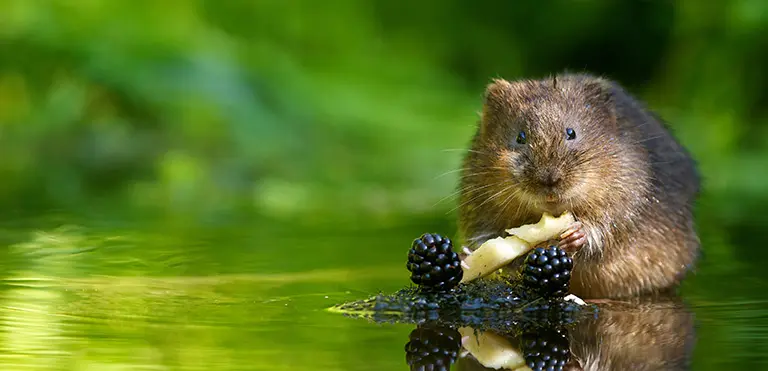
Similar in size to brown rats, water voles are distinguished by their blunt noses and rounded ears. They also have chestnut-brown fur and a furry tail. However, Scotland’s water voles appear darker, often having a black coat. They inhabit burrows along the banks of slower-flowing watercourses. They like to sit and eat in the same place, so piles of nibbled grass or stems could be found by the water’s edge. With a short lifespan, water voles breed quickly, with females producing 3–4 litters during the breeding season, which typically runs from March to September.
Still widespread throughout mainland UK, though numbers have declined significantly. They are absent from the Channel Islands, Isles of Scilly, Scottish islands, Northern Ireland and the Isle of Man. Populations in Britain have faced severe declines due to predation by non-native American mink, as well as habitat degradation and pollution.
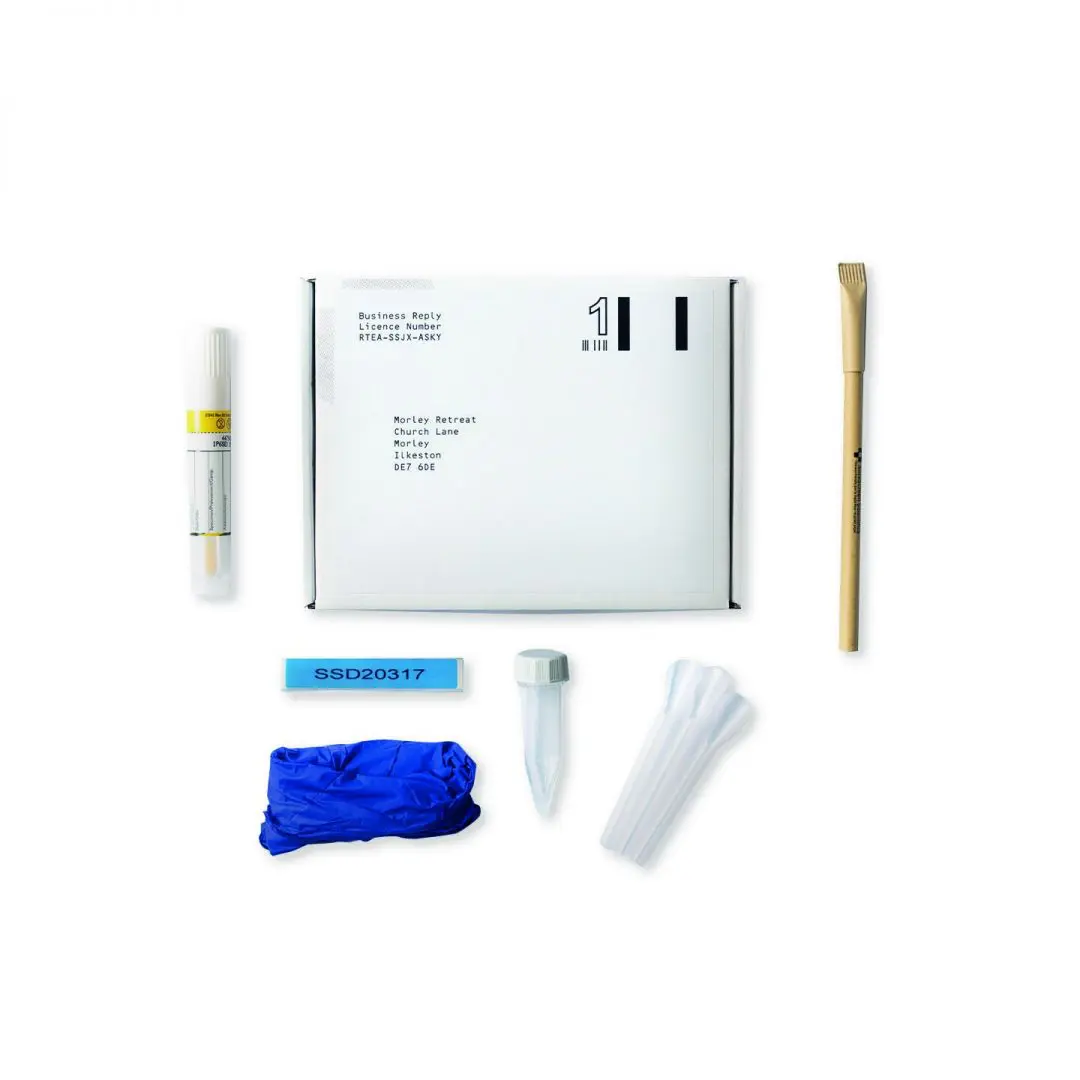
eDNA from water samples:
Biological:
Currently we suggest surveying between March and September when individuals are most active. Upon obtaining further data outside of this period this may be revised at a later date.