Paul van Hoof / naturepl
Paul van Hoof / naturepl
Invasive and Non-Native
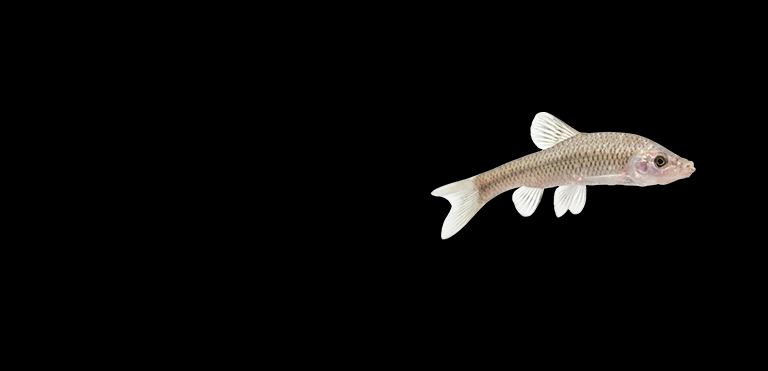
Invasive and Non-Native (INNS); Introduced to the UK from Asia via introduction to ponds in Europe and eventually the aquatic trade into the UK. It is classified under the Import of Live Fish Act 1980 as a ‘Category 5 species’, being of highest risk, and Red Listed by the UK Task Action Group’s Alien Species Group.
Pseudorasbora parva
2 - 4 years
4 - 8cm
First identified in the UK in 1984, Topmouth gudgeon is an extremely invasive species that has spread rapidly via fish farm movements and the ornamental fish trade. 23 populations have been identified across England.
The Environmental Agency began localised eradication efforts in 2004. As of 2017, there was only 6 confirmed sites remaining in England which are confined to the Midlands and South East England. This species disperses easily with females reaching sexual maturity rapidly and being high reproductive (thought to be around 4 times faster than native relatives). Lives in well-vegetated still waters including channels, ponds and lakes. They have a broad diet, predating on invertebrates and the eggs and larvae of native fish species. Topmouth gudgeon live in large, dense shoals with highly territorial males and are also carriers of several novel parasite species and disease that can be detrimental to native species and other non-natives including Sunbleak.
Topmouth gudgeon are more active with warmer temperatures. Papers suggest optimal sampling in August. Physical surveys typically occur between May and October.