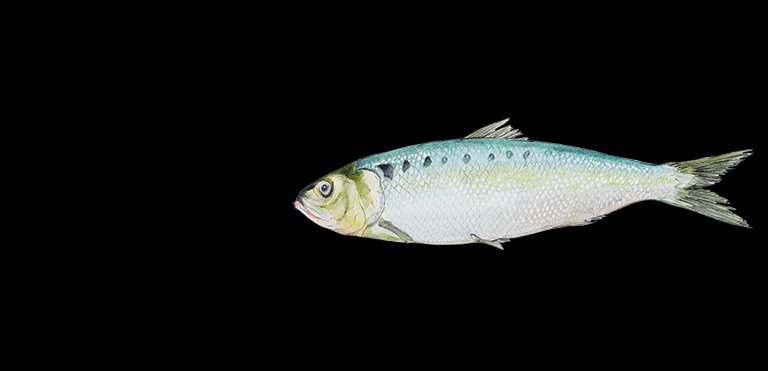
Two species are native to the UK; allis shad (Alosa alosa) and the twaite shad (Alosa fallax). In Ireland, the is also an endemic landlocked subspecies, Killarney shad (Alosa fallax killarnesis).
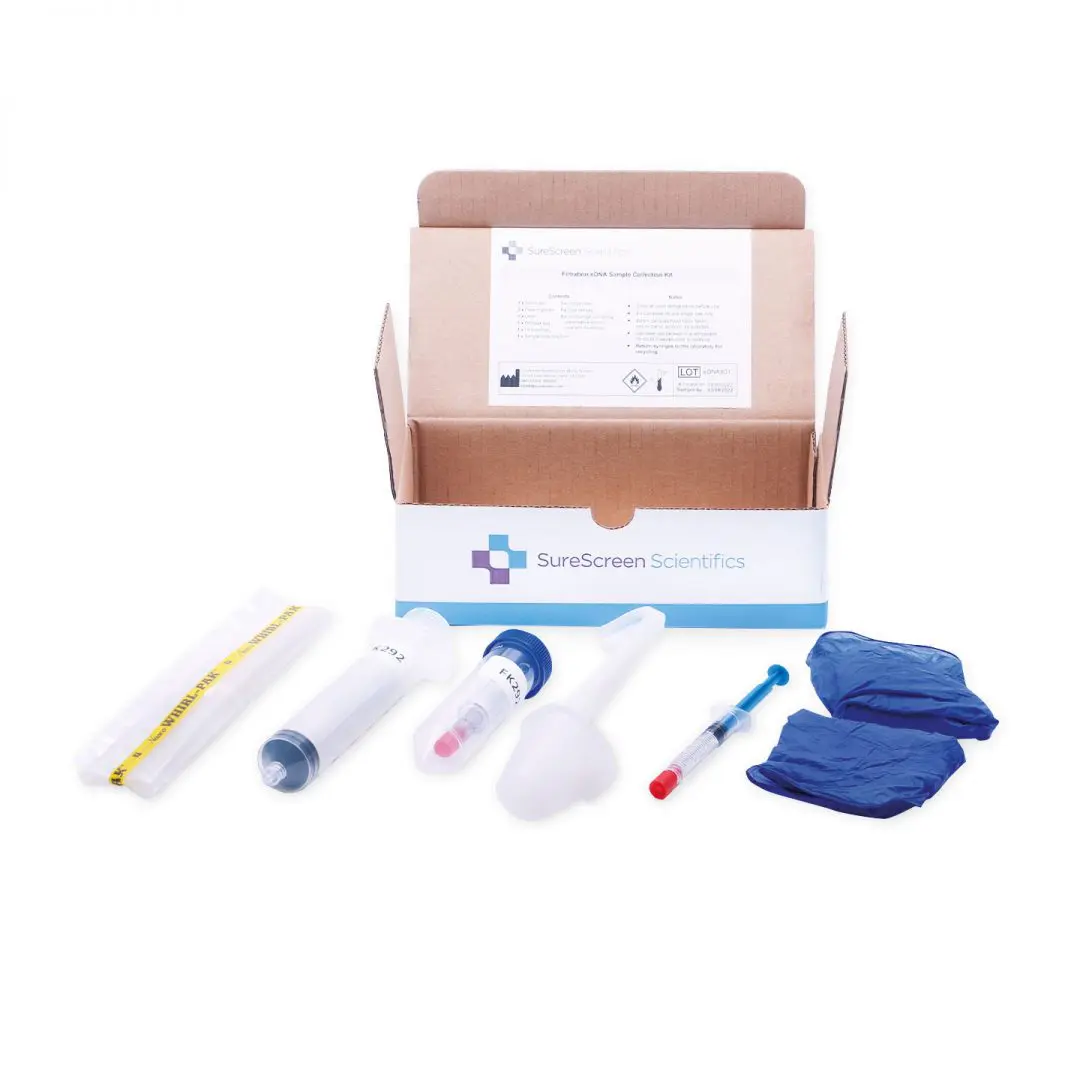
- Due to interbreeding and genetic similarity between shad species, at SureScreen Scientifics detects both UK species collectively as Shad.
They are carnivorous species feeding on zooplankton, plankton, and invertebrates. Shad are also anadromous; the adults reside in the seas around Western European coastlines and the Atlantic Ocean around the British Isles at depths of between 10 and 300 metres, migrating up rivers to spawn in estuaries and rivers. Spawning can often be heard at night due to the noise of schools as they form close to the surface of the water. Adult shad, especially allis shad, normally die after spawning with only around 25% of individuals returning in subsequent years to spawn. Eggs are carried by currents before settling into gravely substrate at the bottom of UK rivers. Juvenile shad will then make the journey to the sea and develop in saltwater until they sexually mature.
The only known remaining spawning site for allis shad in the UK is in the River Tamar. There are other suspected spawning sites for example, in the English Channel and the Solway Firth, but the number of suitable sites for spawning in these locations are limited. Recent recordings for twaite shad primarily centre around the River Severn with other known spawning sites including the River Tywi and the Usk and Wye. In Ireland, records for allis shad are insufficient and cannot accurately establish their conservation status. Killarney shad are restricted to Lough Learne in County Kerry. Current distributions of shad are just a fraction of their expansive historical ranges.
Key threats to shad include:
- Migratory barriers
- Reduction in water quality and pollution – Shad species require good water quality to thrive, successfully spawn, and for eggs to develop in a well-oxygenated environment. Furthermore, species are shad are highly susceptible to metal pollution and, allis shad are known to bioaccumulate mercury through the consumption of prey species.
- Overfishing and overharvesting of aquatic resources – During the 19th Century, shad were heavily fished across much of Western Europe and once made up around a third of all catches. Most fisheries that existed have now been abandoned primarily due to migratory barriers. Unfortunately, due to the shoaling nature of the species, large numbers of shad are captured in industrial trawling as bycatch. This removes pre-spawning young adults from the waters, potentially causing them damage and likely decreases the number of individuals that reach spawning sites.