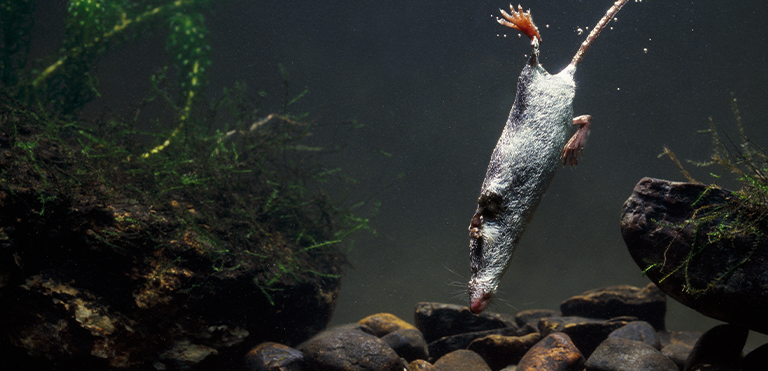
Stephen Dalton / naturepl
Stephen Dalton / naturepl
1 - 2 years
Length: 6 - 9.5cm; Tail: 4.5 - 8cm; Weight: 12 - 18g
Status unknown due to elusiveness. Protected in the UK under the Wildlife and Countryside Act, 1981.
The water shrew is the largest species of shrew in the UK and is found on the mainland and larger islands. Absent from Ireland, the Scillies and the Channel Islands.
They predominantly inhabit wetland environments, such as streams, ponds, fens, and reedbeds. This species spends a significant portion of its time foraging for invertebrates, including diving underwater to capture caddisfly and mayfly larvae. While the water shrew lacks webbed feet, the stiff hairs on its hind feet and tail facilitate its swimming abilities. Water shrews reside in small burrows located along the banks of their aquatic habitats. They breed throughout the summer, typically producing between three and fifteen offspring per litter.
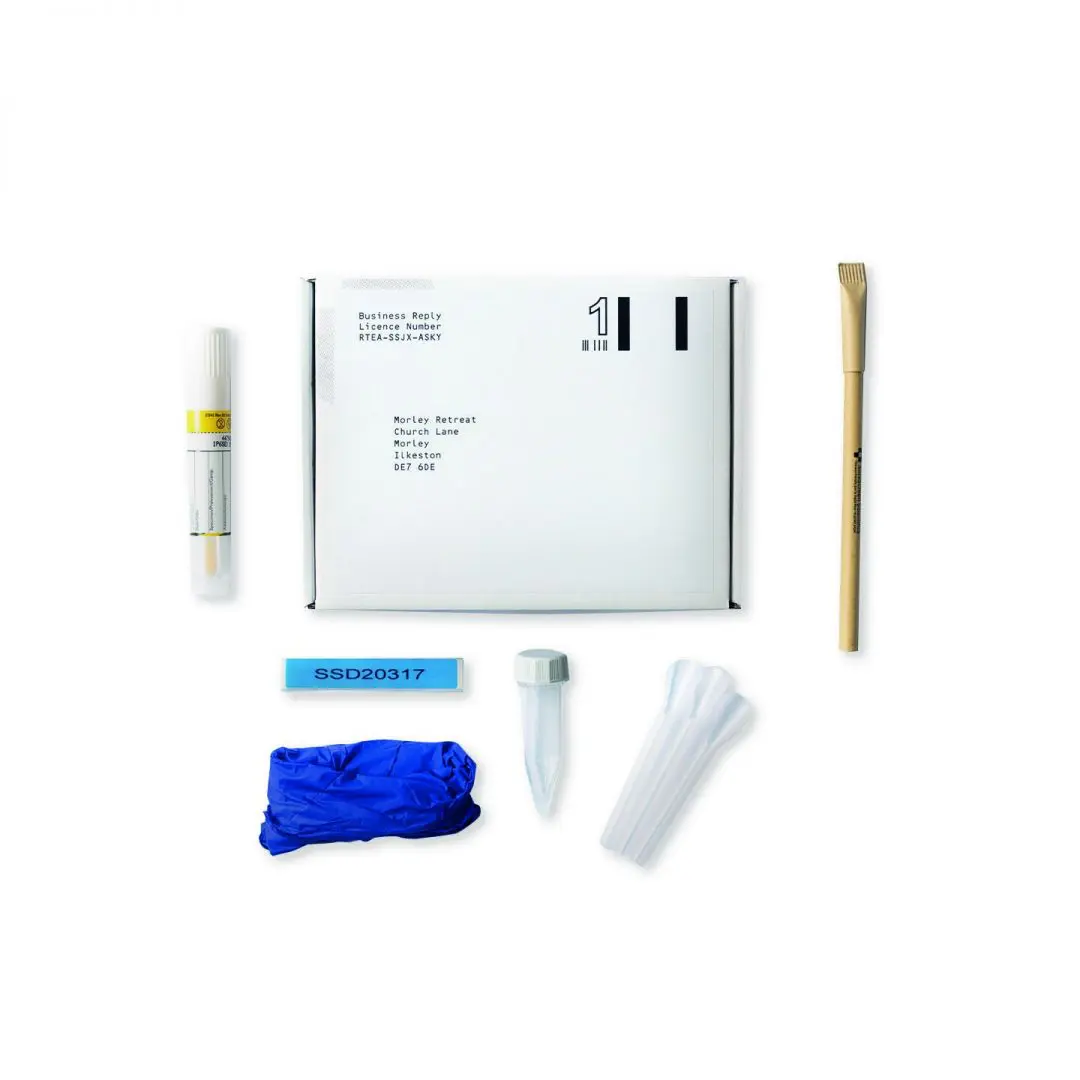
Faecal sample and other biological surveys can be undertaken at any time of the year.