Invasive and Non-Native
Invasive and Non-Native (INNS); Introduced to the UK and Ireland for the fur trade with establishment of wild populations from multiple release events and escaped individuals.
Neovison vison
Up to 8 years although feral mink have a much shorter lifespan around 2 years.
42 - 65cm
0.6 - 1kg
Numbers of mink have increased significantly over the past 30-40 years and have become a serious concern in the conservation of native and vulnerable water vole populations. Mink farms were first thought to have been established in the UK during the 1920s with popularity rising after WWII. The first breeding of wild individuals was recorded 1956.
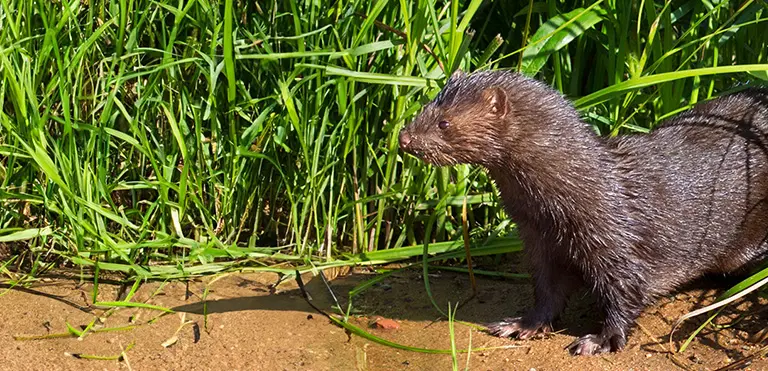
Mink are very confident, often seen out in the day and are highly adept swimmers; females are often small enough to enter waterbodies and hunt water voles within their burrows. They are also highly territorial around their own dens which are made close to the water. Feral individuals are typically dark brown in colouration but farm-bred individuals may be variable in colour including white and grey.
They are opportunistic predators, feeding on wide variety of prey including fish, bird and invertebrates but pose the greatest threat to water vole populations.
In Ireland, mink have limited impact to Irish native biodiversity and minimal competition with native otter populations.
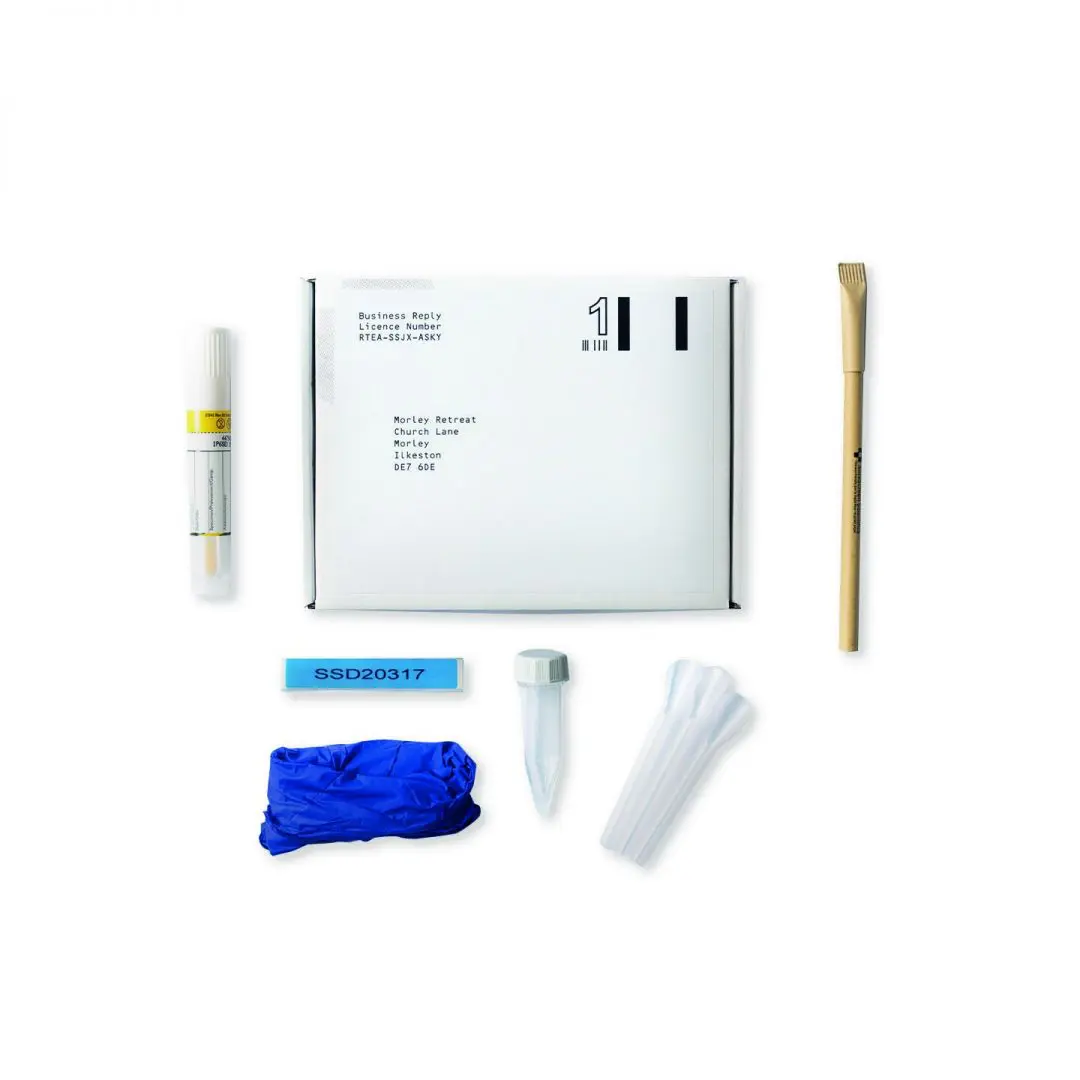
eDNA from water samples:
Biological:
They are active year round but for best results using eDNA, the optimal sample window is March to September. This covers the mating period in spring and high foraging plus kits leaving the den in summer.
Can survey all-year-round. Active most of the year.